
Cardiology
Cardiology Department at Al Ihsan Hospital
The Cardiology Department will be a center of excellence for diagnosing, treating, and preventing heart and vascular diseases, offering a comprehensive approach that integrates prevention, intervention, surgery, and rehabilitation. Through compassionate care and advanced medical practices, the department will improve heart health outcomes for all patients.
To provide advanced cardiovascular care through early detection, prevention, and treatment of heart and vascular diseases, improving the quality of life and heart health for all patients.
General Cardiology
- Cardiac Assessments: Comprehensive evaluations to diagnose heart disease, including risk factor analysis, physical exams, and health screenings.
- Heart Disease Prevention: Programs focused on managing risk factors such as hypertension, diabetes, high cholesterol, and smoking cessation.
- Heart Health Education: Counseling on diet, exercise, stress management, and lifestyle changes to improve cardiovascular health.
- Chronic Disease Management: Ongoing care for patients with chronic heart conditions like hypertension, heart failure, arrhythmias, and coronary artery disease.
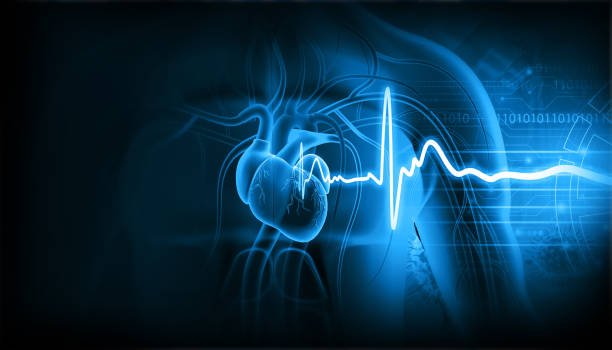
Advanced Cardiac Diagnostics
- Electrocardiogram (ECG/EKG): Non-invasive testing to monitor the electrical activity of the heart.
- Echocardiogram: Ultrasound imaging to assess heart structure and function.
- Stress Testing: To evaluate how the heart performs under physical exertion, often used to diagnose coronary artery disease.
- Cardiac CT and MRI: Advanced imaging techniques to visualize heart structures and blood vessels in detail.
- Holter Monitoring: Continuous heart monitoring to detect arrhythmias over a 24-48 hour period.
- Angiography: Diagnostic imaging for coronary arteries to detect blockages or narrowing (often performed in a cath lab).
Interventional Cardiology
- Angioplasty and Stenting: Procedures to open blocked coronary arteries and place stents to maintain blood flow.
- Percutaneous Coronary Interventions (PCI): Minimally invasive procedures for treating heart conditions such as blocked arteries.
- Catheter-Based Treatments: For arrhythmias and other structural heart problems.
- Cardiac Catheterization: Invasive procedure to diagnose and treat heart conditions via a catheter inserted into blood vessels.
Key Facilities
- Cardiology Outpatient Clinics: For routine evaluations, consultations, follow-ups, and screenings.
- Cardiac Catheterization Lab (Cath Lab): For diagnostic and interventional procedures like angioplasty, stenting, and catheter-based treatments.
- Cardiac Imaging Suite: Equipped with advanced diagnostic tools like echocardiography, CT scans, and MRIs.
- Cardiac Rehabilitation: A recovery program that includes exercise, education, and counseling to help patients regain heart health after surgery or heart disease.
- ICU & Cardiac Care Unit: For critical cardiac patients, especially post-surgery or during severe acute conditions.
Patient & Family Support
- Education Programs: Information sessions on preventing heart disease, managing risk factors, and living with heart conditions.
- Support Groups: For patients and families coping with heart disease or recovering from surgery.
- Lifestyle Coaching: Personalized guidance on diet, exercise, and stress management to improve heart health.
- Post-Surgery Care: Comprehensive support for patients recovering from heart surgery, including rehabilitation and monitoring.
- Counseling Services: For emotional and mental health support, especially for patients with chronic conditions or those recovering from heart surgery.
Quality Assurance and Patient Safety
- Adherence to Guidelines: The department will follow the latest international cardiology guidelines for diagnosis, treatment, and procedures.
- Continuous Training: Regular staff education on the newest medical advancements, technologies, and procedures in cardiology.
- Patient Safety Protocols: Strict infection control practices, especially in invasive procedures, and protocols for post-operative recovery and monitoring.